
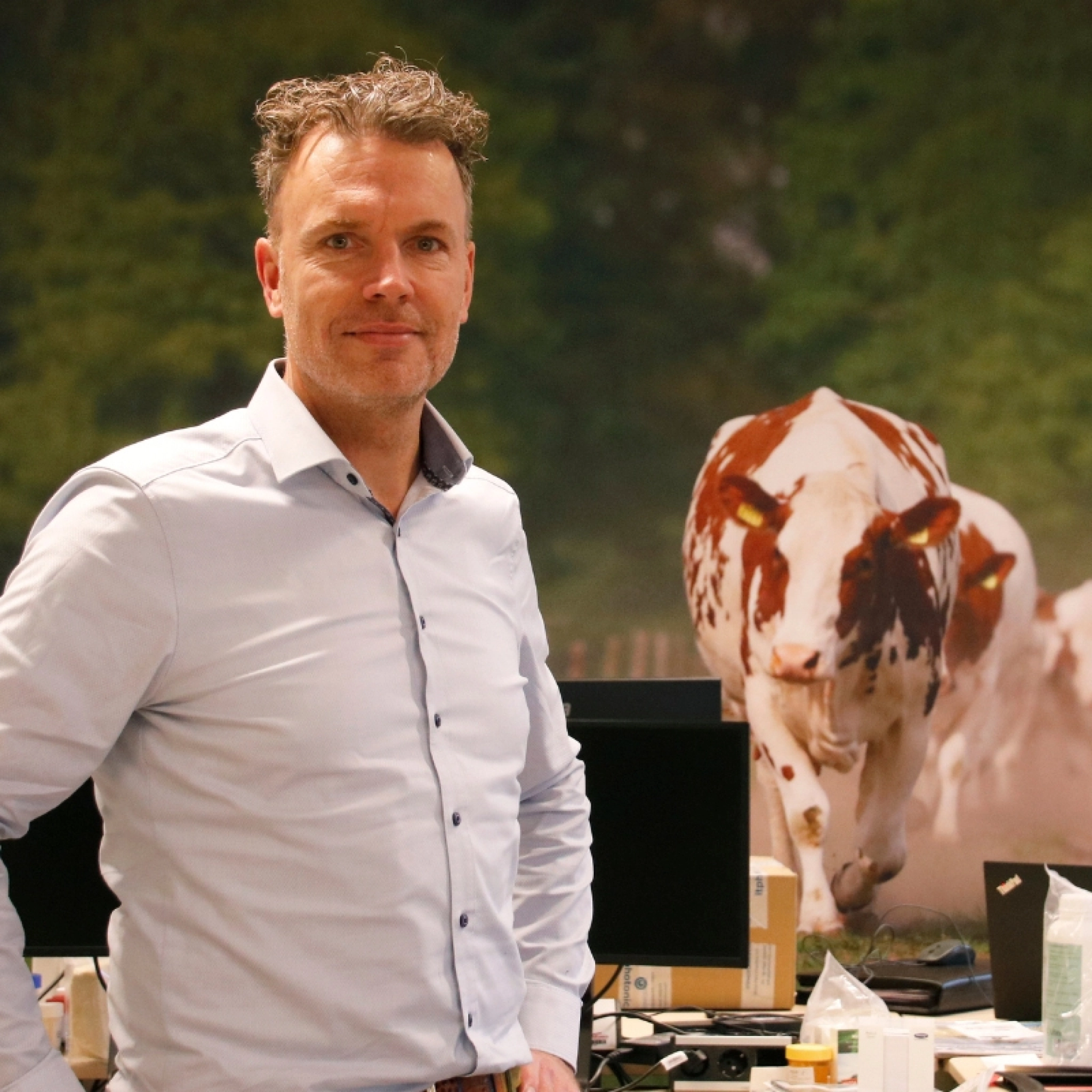
ForFarmers is participating in the Triple P+ project in Groningen (NL). This stands for People, Planet, Profit. The aim of the project is to develop a smart approach to various challenges in Groningen: reducing nitrogen and greenhouse gas emissions, cleaner water, energy transition and a good business model for farmers. A proven solution is now available in Groningen: biological acidification of manure in combination with collective manure fermentation. Our colleague, Ronald van Hal, recently presented this approach to policymakers.
By combining fresh manure or biologically acidified manure with collective mono-manure fermentation and RENURE (a term for nitrogen-containing fertilisers extracted from processed animal manure, intended as a substitute for artificial fertilisers), we achieve many things at once:
Ronald: ‘The technology is ready for practical use. Now we need permits, policy and investment to follow, so that we can actually implement it. Only then will we achieve the 2030 targets. Don't choose between climate, energy and water quality – tackle them all at once. This is a win-win-win.’
Biological acidification is the key technology here. It is a natural process for reducing emissions from manure. How does it work? You add sugar-rich residual products (such as molasses) to manure in the manure pit. Fermentation lowers the pH to around 5 to 5.5.
This has major advantages:
In short: biological acidification makes manure more environmentally friendly and more valuable.