While sustainability is often associated with reducing CO₂ emissions, organic farming and feed production offer additional benefits. It also involves soil quality, biodiversity, circular agriculture and circular raw materials. In this article, we explain the work of Reudink, the organic division of ForFarmers, in this area.
The focus of organic farming is on preserving and restoring natural systems. This approach centres on healthy soil, habitats for insects and animals, interconnected chains, and the smart reuse of raw materials. Using organic feed helps to shape agriculture within the limits of nature in the long term.
Sustainability is an integral part of Reudink's mission and strategy. This is how it works in practice:
Reudink utilises residual flows wherever possible. These are unsuitable for human consumption, but perfectly fit for animal feed. Residual flows from the food industry are processed into compound feed or delivered directly to farms. One example is fermented feed, which increases the nutritional value and contributes to animal health. Regionally grown raw materials also fit into this vision. Through our HomeMixxing concept, livestock farmers can mix their own or locally sourced raw materials.
A key sustainability project is switching to biogas. The Reudink factory in Lochem, for example, is switching to biogas supplied by regional dairy farmers. They ferment manure and supply the biogas via a pipeline. Alongside 100% green electricity, this makes the Lochem factory CO₂-neutral. Manure, energy and feed therefore form a single circular chain.
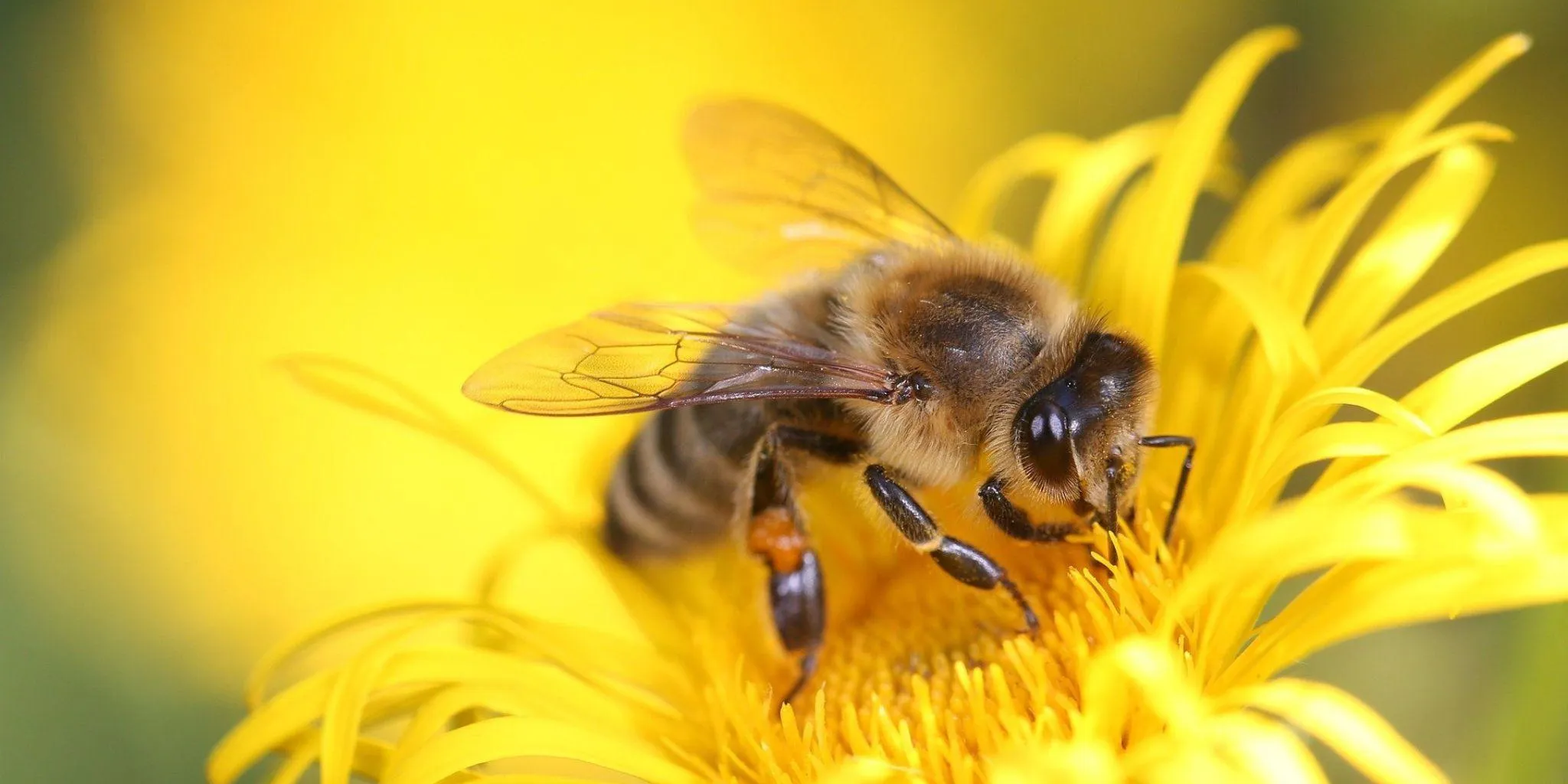
Sustainable feed is about more than just raw materials. It is also about soil, nature and biodiversity. This is why we sow flower mixtures around the factory and set up beehives. Reudink supports organic farmers by providing products such as the Plant range, which includes organic fertilisers, seeds and silage additives that improve soil quality and mineral efficiency.
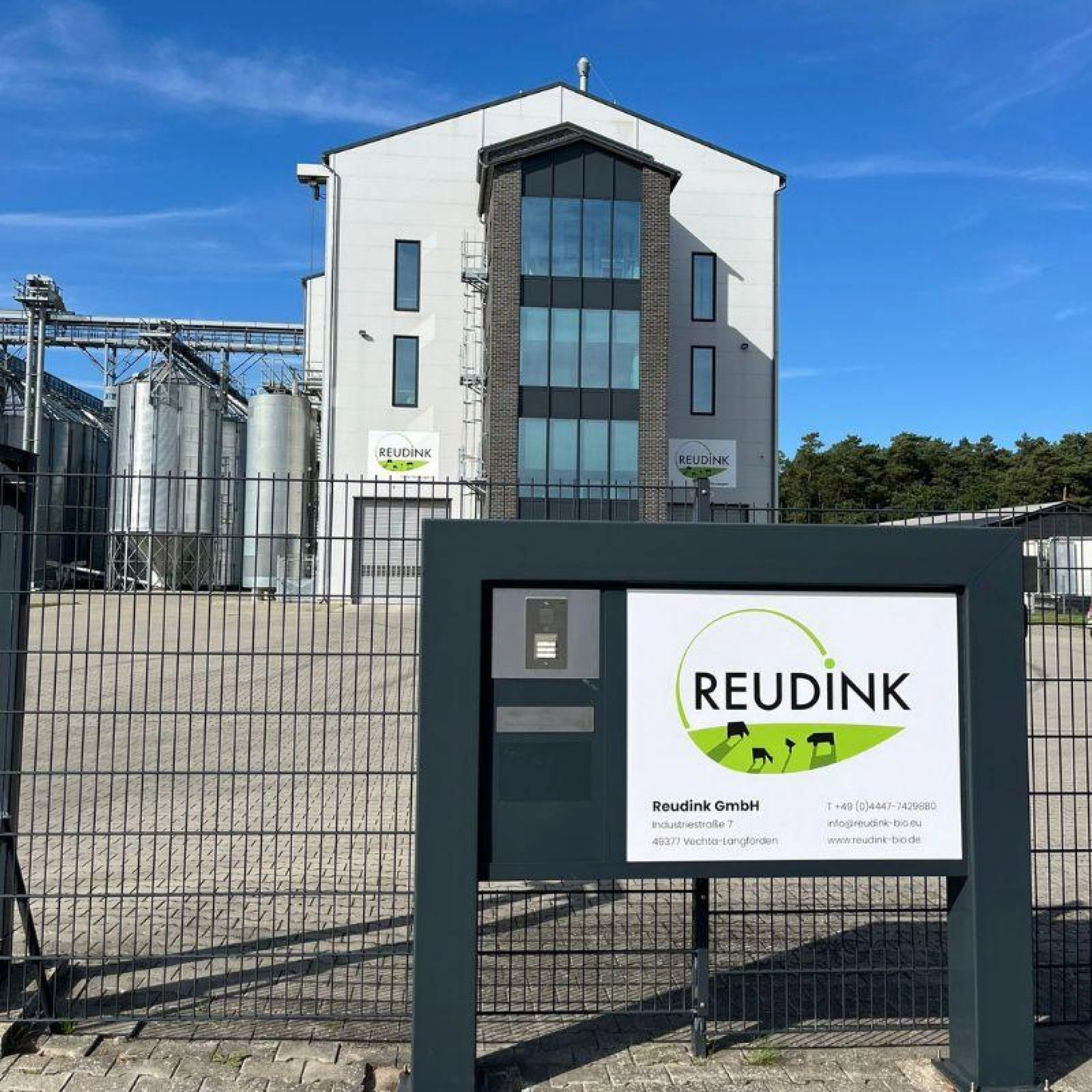
Reudink opts for regional raw materials and production. This applies to the Netherlands and Germany. The new factory in Fürstenau means production is closer to the German sales market. This reduces transport distances and the environmental impact, and aligns with German 'Verbands' concepts.
Striving for greater sustainability is in Reudink's DNA. That is why we are working on further expanding the share of residual flows in feed, for example with wheat grits, wheat starch and okara (the pulp remaining after soya milk production). By utilising these flows, we are making use of raw materials that would otherwise be wasted. This reduces the amount of waste produced and eases the pressure on primary raw materials.
It remains important, however, to purchase raw materials as close to the sales market as possible. Regional sourcing and production minimises transport, strengthens local cycles and supports biodiversity.
Circular raw materials, biogas, local production and organic certification make organic feed production an integrated, sustainable system in which soil, animals, energy and nutrition come together.